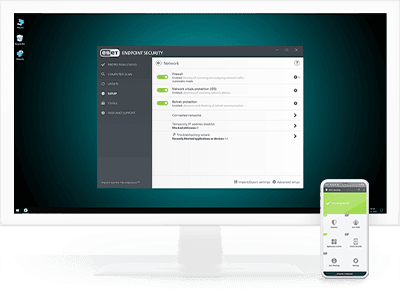
Every device connected to a network represents a possible door for trouble. Laptops, phones, and tablets hold valuable information that needs protection. A single careless click can open the door to unwanted guests. Companies now face a wider range of threats than ever before. This article breaks down endpoint security into five clear, strong pillars.
Prevention of threats:
Stopping a problem before it starts is the best plan. Good tools block bad files from entering a system. This layer acts as a guard at the front gate. It looks at every file and stops anything that looks strange. By blocking bad items early, the whole system stays quiet and safe. This keeps the work moving without any stops.
Detection of active risks:
Sometimes, a threat might slip past the first guard. When this happens, the system needs to see it fast. This part of the plan watches how programs act. If a program starts doing something odd, the system flags it. Quick eyes help catch small issues before they grow into big ones. Watching every move helps keep everything under control at all times.
Response to incidents:
Finding a problem is good, but fixing it is better. A fast fix stops damage from spreading to other areas. This part of the plan removes the bad file and cleans the system. It helps the system return to normal work right away. Having a clear way to fix errors makes the whole setup much stronger. It ensures that a small mistake does not break everything.
Visibility of all devices:
A person cannot fix what they cannot see. Keeping a list of every laptop and phone is vital. This pillar ensures every device shows up on a map. When every device is visible, it is easy to check their health. Knowing where every piece of gear is helps maintain a very tight circle of safety. It removes the chance of a lost device causing trouble.
Management of updates:
Old software often has holes that let trouble inside. Keeping every app updated closes these tiny holes quickly. Regular updates act like fixing a leak in a roof. This process happens often to keep the defense fresh and ready. When software stays new, it is much harder for any threat to find a way in. This simple step keeps the entire network very healthy.
